
How can a regional port develop into a key player in the North Sea hydrogen economy without taking unnecessary financial risks? A new strategy developed within the North Sea Hydrogen Valley Ports (NS H2V Ports) project provides a clear answer for Port of Den Helder: start small, build practical experience and scale up as market demand grows.
Rather than pursuing large-scale hydrogen investments today, the report advocates a phased approach that aligns infrastructure development with the pace of the emerging market. The strategy positions Den Helder to become an important hub for sustainable energy in the North Sea while maintaining flexibility in a rapidly evolving sector.
Building the market first
The research shows broad confidence in hydrogen as a future energy carrier. Nearly all interviewed companies expect hydrogen to become part of their operations in the coming decades. However, very few are currently willing to commit to long-term offtake agreements.
This creates a familiar challenge for the hydrogen economy. Infrastructure developers require guaranteed customers before investing in production, storage and bunkering facilities, while potential users prefer to wait until infrastructure is available and affordable. The report concludes that developing an initial group of committed customers is the most important step towards a viable hydrogen market.
Green methanol plays a key role
Although hydrogen remains central to the energy transition, the report identifies green methanol as one of the most promising marine fuels for the coming decades. Produced using renewable hydrogen, green methanol is considerably easier to store, transport and bunker than pure hydrogen. As a result, it is expected to play a major role in decarbonising offshore and maritime operations.
The study projects direct hydrogen demand in Den Helder to grow from approximately 1.2 kilotonnes in 2030 to 3.8 kilotonnes by 2050. Demand for green methanol is expected to increase much faster, rising from 15 kilotonnes to around 70 kilotonnes annually over the same period.
Offshore wind as the main driver
Den Helder’s strategic location makes it uniquely positioned to support the rapid expansion of offshore wind in the North Sea. As Europe’s offshore wind capacity continues to grow, increasing numbers of installation vessels, service ships and supply vessels will require low-carbon fuels. According to the report, this creates significant opportunities for both hydrogen and hydrogen-derived fuels such as methanol.
Combined with its existing offshore expertise and energy infrastructure, Port of Den Helder is well placed to become an important link in the future North Sea energy system.
Learning before scaling
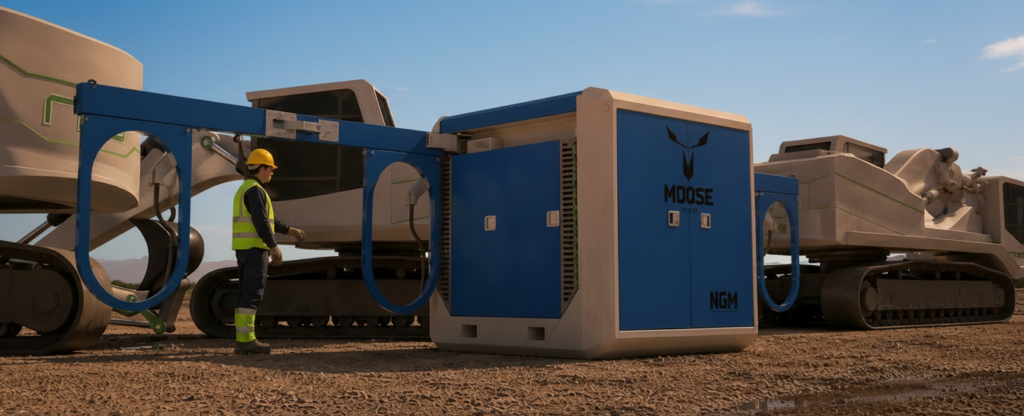
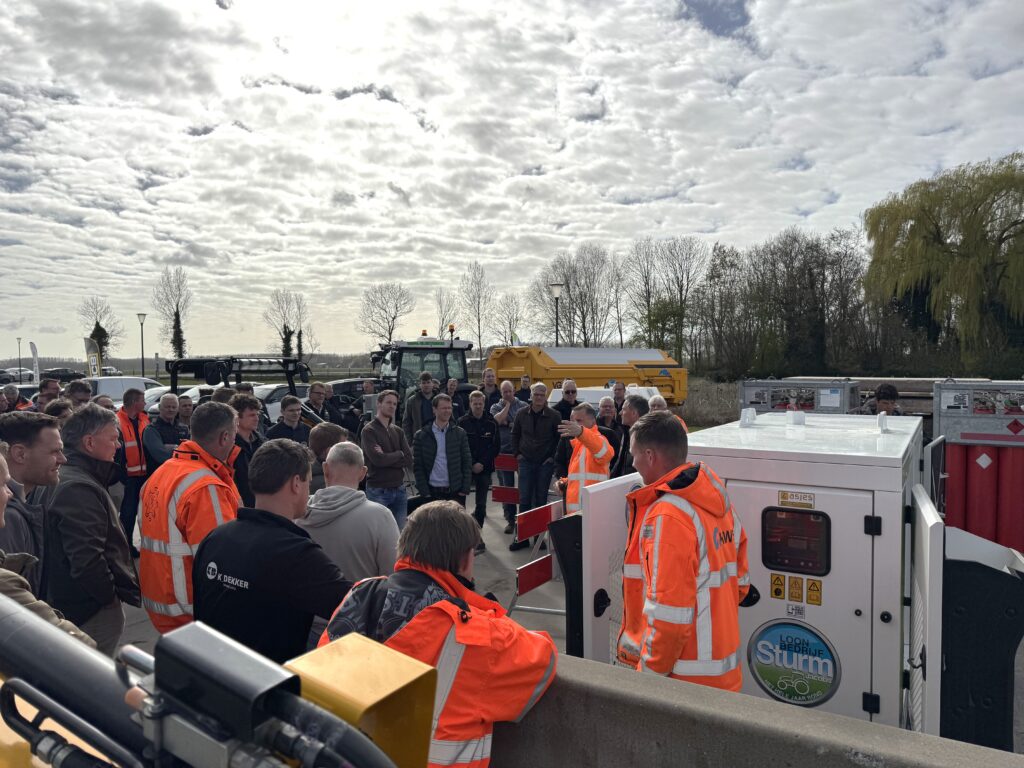
 One of the report’s strongest messages is the importance of practical experience. Instead of immediately investing in large permanent facilities, the authors recommend beginning with pilot projects, mobile bunkering solutions and reserving space for future expansion. Larger infrastructure investments should only follow once sufficient market demand has materialised.
This staged development strategy reduces financial risk while allowing the port to respond quickly as the hydrogen market matures.
A regional hub for multiple sustainable fuels
The report concludes that Den Helder does not need to become the Netherlands’ largest hydrogen port to make a significant contribution to the energy transition. By combining hydrogen, green methanol and other sustainable energy carriers with its strong offshore ecosystem, the port can evolve into a flexible energy hub serving the North Sea offshore industry and maritime sector.
Developed within the European North Sea Hydrogen Valley Ports (NS H2V Ports) project, the strategy offers valuable insights for ports across Europe facing similar challenges in balancing ambition with realistic market development.